Curriculum Playground Markings: Ideas by Subject Area
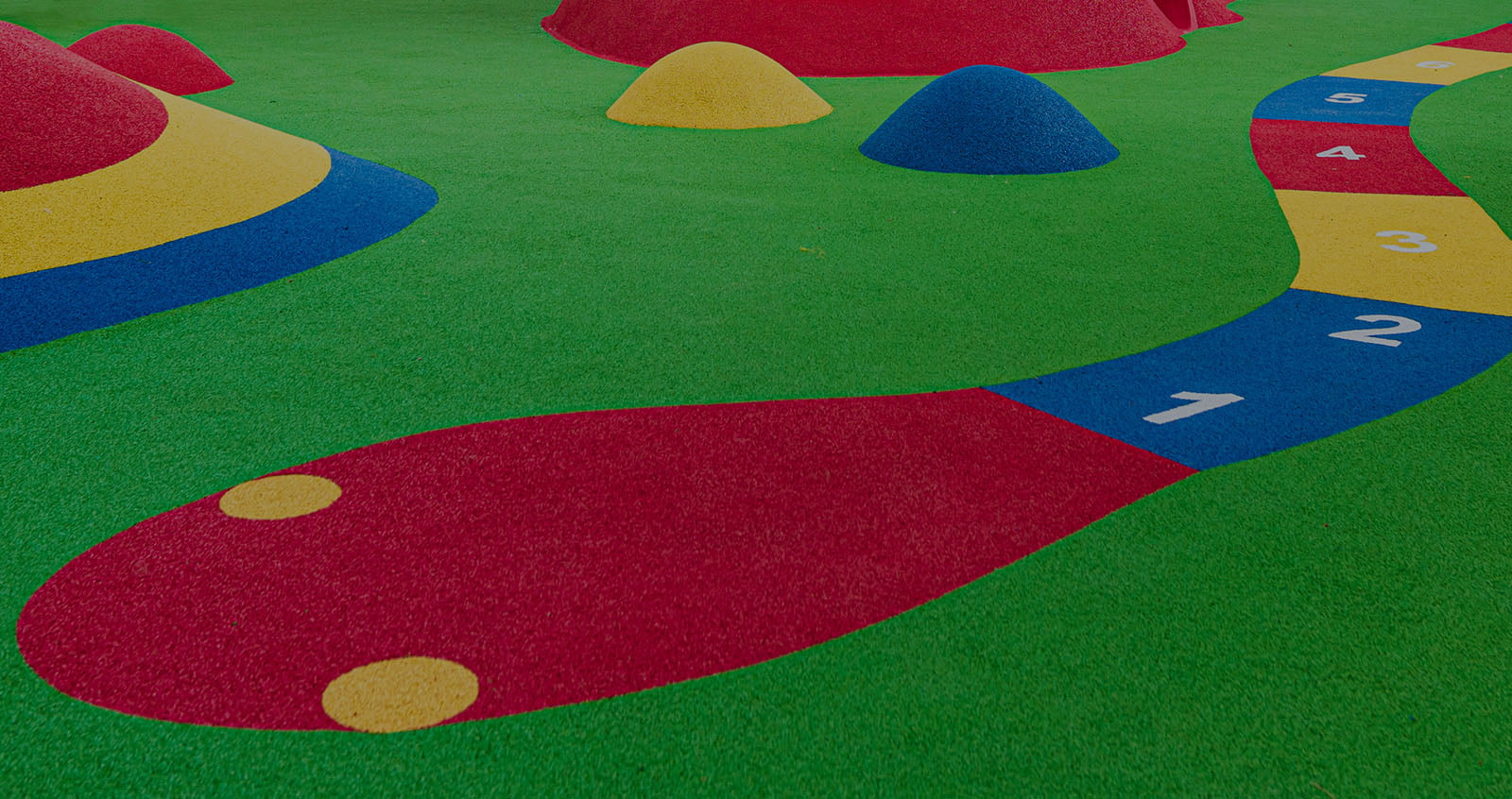
Curriculum playground markings are hard-wearing thermoplastic graphics that turn a plain tarmac playground into a learning and play resource, supporting maths, literacy, physical activity, road safety and social development during lessons, break and after school. Because they are applied straight onto existing hard surfacing, they add teaching value to a space you already have, with no new equipment to fence off or maintain.
The ideas below are grouped by subject and purpose so you can plan a scheme that matches your curriculum priorities and the age groups that use the space. Most schools combine several zones so one playground serves many activities across the school day.
Which markings support maths?
Maths markings make abstract number work physical and visual. Popular choices include number lines and number tracks for counting on and back, 100-squares (hundred grids) for place value and times tables, and giant number grids children can jump across to solve calculations. Analogue clock faces support telling the time, while 2D and 3D shape zones, symmetry lines and coordinate grids reinforce geometry. Snakes-and-ladders and target games hide arithmetic inside play, so pupils practise without noticing.
Which markings support literacy and phonics?
Literacy markings turn movement into reading and spelling practice. Alphabet snakes and alphabet caterpillars help early readers sequence letters, while phonics grids and sound mats let children hop between graphemes to build words. Word-building spots, rhyming trails and story circles give teachers a ready-made outdoor space for guided reading, spelling games and speaking-and-listening activities. These work especially well for kinaesthetic learners who take in more when they are moving.
Which markings encourage physical and active play?
Active markings raise daily physical activity and support PE. Classic hopscotch, agility ladders, take-off-and-landing spots, and hop-and-jump trails develop balance, coordination and gross motor skills. A daily-mile circuit or running track painted around the perimeter gives every class a clear route for regular exercise, and clearly marked sports courts such as netball, basketball or multi-use lines extend play into structured games. These markings pair naturally with dedicated sports facilities and MUGAs where you want a more formal playing area.
Which markings teach road safety?
Road-safety markings help children learn to move safely near traffic before they meet real roads. A painted roadway with junctions, mini-roundabouts, zebra crossings, give-way lines and parking bays lets pupils role-play as pedestrians, cyclists and drivers using scooters, balance bikes and trikes. This 'mini town' approach supports pedestrian training and personal, social and health education, and it is a favourite in early years and infant playgrounds.
Which markings support geography and the wider curriculum?
Wider-curriculum markings extend learning beyond the core subjects. Compass points, world maps and UK maps support geography and directional language, and can double as a focal point for assemblies or team games. Solar systems, mazes and puzzle trails feed curiosity in science and problem-solving. Many of these graphics overlap with themed play designs, so you can tie a marking scheme to a wider outdoor learning theme or your school's identity.
How do quiet and social zones help?
Not every marking needs to be energetic. Friendship stops, buddy benches, story circles and seating spots give children a calm place to talk, wait for a friend or take a breather, which supports wellbeing and reduces playground fall-outs. Clear zoning, using painted boundaries to separate active games from quiet areas, helps break-time supervision and keeps ball games away from spaces meant for gentler play.
Are thermoplastic markings more durable than paint?
Thermoplastic markings are far more durable than ordinary playground paint. Thermoplastic is a pre-formed plastic material heated and bonded to the tarmac, giving a thick, hard-wearing, slip-resistant finish that stands up to constant footfall, weather and cleaning for many years. Painted markings are cheaper initially but fade, wear and flake much sooner, so they need repainting more often. For a scheme that stays bright and safe with minimal upkeep, thermoplastic is the sensible long-term choice. Markings need a sound surface to bond to, so if your tarmac is cracked or tired it is worth reviewing your playground surfacing before new graphics go down.
Curriculum markings are one of the most cost-effective ways to get more from an existing playground, and the right scheme depends on your age groups, curriculum focus and how the space is used. We offer a free, no-obligation site visit and design so you can see the possibilities mapped onto your own playground before you commit. Contact our team to arrange a visit and a clear, itemised quote.
Related questions
How long do thermoplastic playground markings last?
On a sound tarmac surface, quality thermoplastic markings typically stay bright and functional for many years of daily use, far outlasting painted markings, though exact life depends on footfall, weather and how well the surface underneath is maintained.
Can playground markings be installed on any surface?
Thermoplastic markings bond best to tarmac (asphalt). They are not suitable for loose or heavily cracked surfaces, so we assess your surfacing first during a free site visit and recommend any repairs needed to give the markings a lasting finish.
How do I choose which markings to install?
Start with your curriculum priorities and the ages using the space, then balance active, learning, road-safety and quiet zones. A free design visit helps you map a scheme onto your actual playground so every area earns its place.
More from the blog
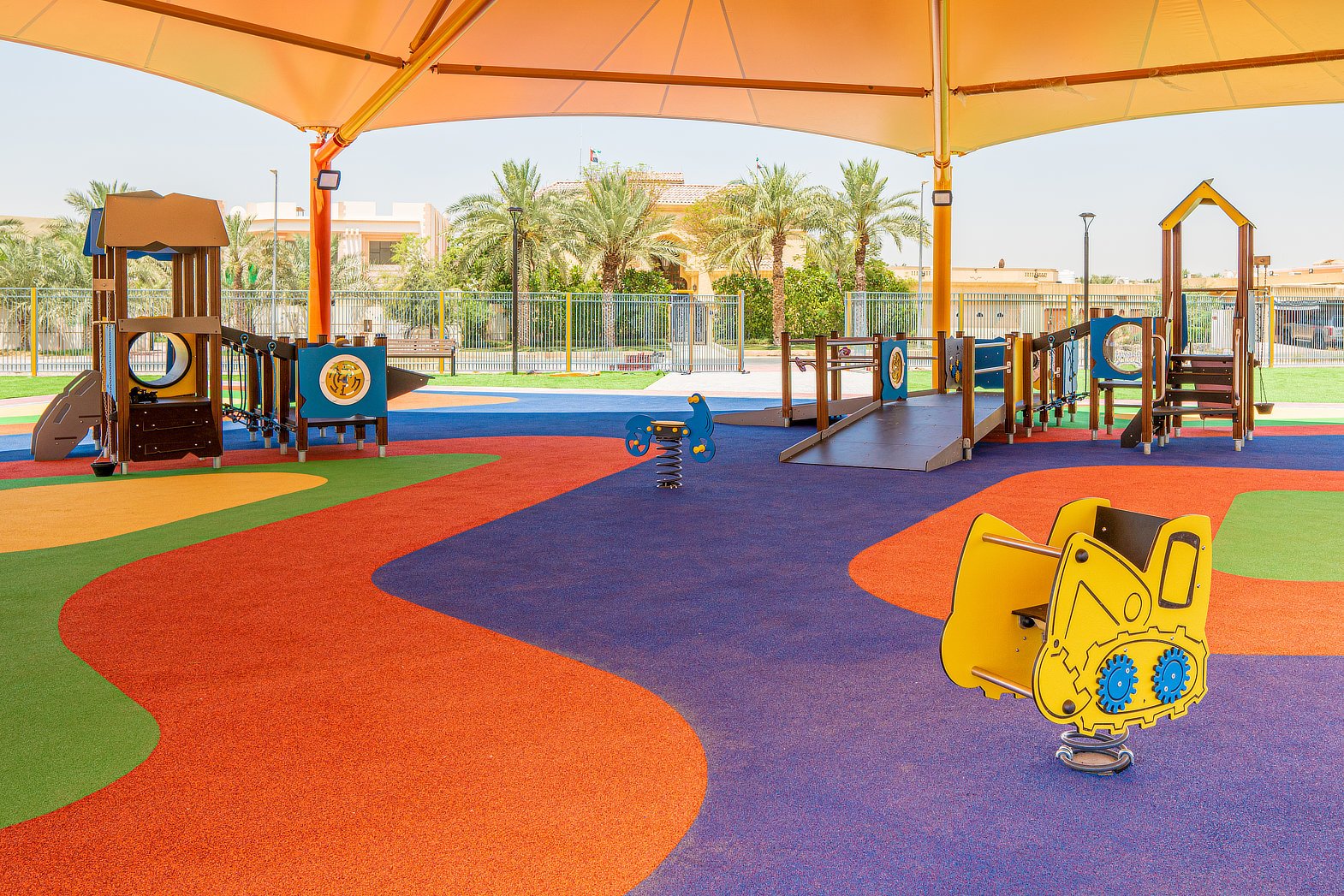
Playground Design Ideas for Schools
Great playground design starts with zoning your space for active, quiet and imaginative play. Here are practical design ideas for schools, by area and age.
Read articleHow to Plan a School Playground: A Step-by-Step Guide
A practical step-by-step guide to planning a school playground, from auditing your space and setting aims through design, zoning, surfacing and installation.
Read article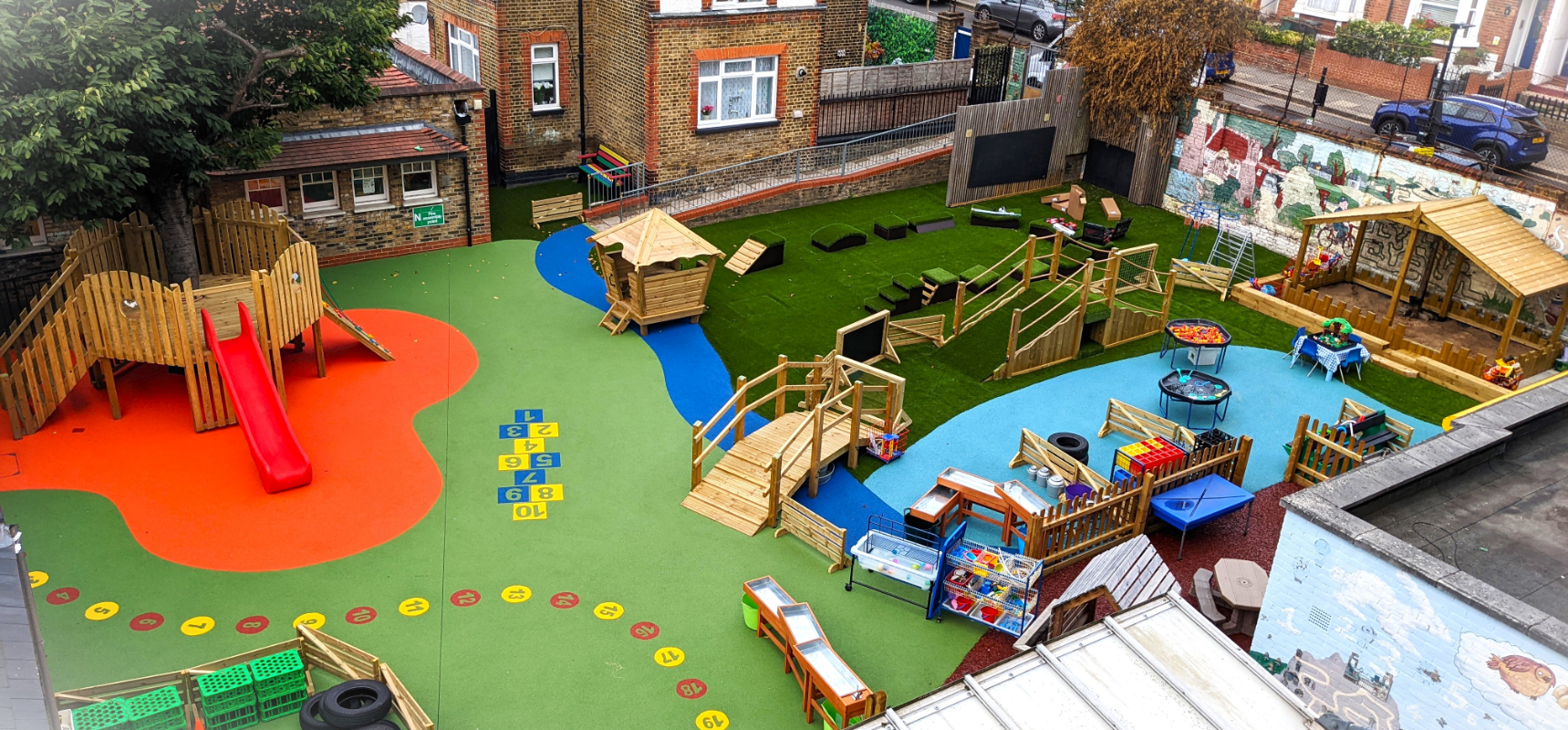
What is a MUGA Pitch? Multi-Use Games Areas Explained
A MUGA is a multi-use games area that lets one space host football, netball, basketball and more. Here is what a MUGA is, and how to plan one for your school.
Read article