How to Fund a New School Playground: UK Funding Routes
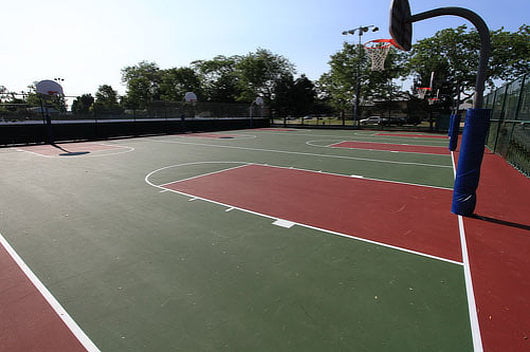
Schools can fund a new playground by combining several realistic sources rather than relying on one: delegated and capital budgets, the primary PE and Sport Premium, grants and charitable trusts, PTA and parent fundraising, local business sponsorship, and, for public or shared spaces, council funding and developer contributions. Most successful projects blend two or three of these and, where budgets are tight, phase the work so the cost is spread over time.
The routes below are the ones schools in England and Wales most commonly use. Availability, eligibility and amounts change, so always check the current rules for each scheme before you build a budget around it.
Can school budgets pay for a playground?
A school's own budget is often the starting point. Schools receive a delegated (revenue) budget for day-to-day running and, in many cases, access to capital funding for buildings and grounds improvements. Smaller works such as resurfacing, markings or a single item of equipment may come from revenue or carried-forward reserves, while larger projects usually draw on capital funding, Devolved Formula Capital, or a bid to the responsible authority. Academies, maintained schools and voluntary-aided schools access capital through slightly different routes, so confirm which applies to you before planning spend.
How can the PE and Sport Premium help?
The primary PE and Sport Premium is ring-fenced government funding for eligible primary schools, intended to make a lasting improvement to PE, physical activity and sport. It is well suited to activity-boosting outdoor provision, for example markings that raise daily activity, trim trails, or equipment that gets more children moving at break and in lessons. The premium comes with conditions on how it may be spent and must demonstrably increase activity or the quality of PE, so tie any playground element you fund this way clearly to those aims. Formal play areas and sports facilities that widen participation are a natural fit.
Can pupil premium fund play equipment?
Pupil premium is targeted funding to improve outcomes for disadvantaged pupils, and it is not a general grounds budget. It should not be used simply to buy play equipment, but where a playground improvement demonstrably supports the specific outcomes pupil premium is meant to address, such as inclusive or accessible provision that removes a barrier for eligible children, it may form part of a wider, evidence-based strategy. Keep any such spend clearly justified against pupil-premium aims and record the rationale.
What grants and trusts fund playgrounds?
A range of grant-makers and charitable trusts fund outdoor play and grounds projects, including community foundations, National Lottery community funding, and trusts with an interest in children, health, sport or the environment. Grants are competitive and each has its own criteria, deadlines and reporting requirements, so match your project to a funder's priorities rather than the other way round. A clear plan, costs and evidence of need strengthen every application, and many funders like to see the school and community contributing alongside the grant.
How much can PTA and parent fundraising raise?
PTA and parent-led fundraising is a dependable source and often the emotional heart of a playground campaign. Sponsored events, fairs, raffles, buy-a-brick or buy-a-plank schemes and crowdfunding pages can raise meaningful sums, and the fundraising itself builds the parental support that helps other bids succeed. Fundraising totals are unpredictable, so treat this as one contribution within a costed plan rather than the whole budget, and set a clear target tied to a specific phase of the project.
Can local businesses sponsor a playground?
Local business sponsorship can close a funding gap and build community links. Companies may contribute cash, materials or in-kind support in return for recognition, such as a sign or a mention in newsletters. Approaching businesses with a genuine local connection, a clear ask and a simple explanation of the benefit to children tends to work best. Keep any recognition proportionate and in line with your school's policies on sponsorship and advertising.
How are public and shared play areas funded?
Where the playground is a public park, a shared facility or serves the wider community, councils and developer contributions come into play. Local authorities hold budgets for parks and open spaces, and planning obligations, Section 106 agreements and the Community Infrastructure Levy (CIL) can direct funds from nearby housing development towards new or improved play provision. These routes involve the council and can take time, so engage early if your scheme has a community dimension.
How does phasing a project spread the cost?
Phasing lets you deliver a good playground within a limited budget by building it in stages, funding each phase as money becomes available. You might start with essential groundworks and safety surfacing, add equipment in a second phase, then complete features such as fencing, shade or markings later. Designing the whole scheme up front, then installing in a sensible order, avoids wasted work and keeps the site usable throughout. Adding a canopy or play equipment in a later phase is straightforward when the layout has been planned from the start.
The strongest funding plans combine sources, set out realistic costs and stage the work, and they start with an accurate design and quote so every bid rests on solid figures. We provide a free, no-obligation site visit, design and itemised quote you can take straight into your budgeting and grant applications. Get in touch and we will help you build a costed, phased plan that fits your funding.
Related questions
Can the PE and Sport Premium be spent on playground equipment?
Eligible primary schools can use the premium on provision that makes a lasting improvement to physical activity and PE, such as activity-boosting equipment or markings. Spending must meet the scheme's current conditions and clearly increase activity, so link each item to those aims.
What is Section 106 or CIL funding for playgrounds?
Section 106 agreements and the Community Infrastructure Levy let councils direct contributions from nearby development towards infrastructure, which can include public or shared play areas. These routes run through the local authority and take time, so engage early for community schemes.
Should we fund a playground from one source or several?
Most schools combine several sources, such as capital budget, a grant, PTA fundraising and sponsorship, and phase the work to spread cost. Blending sources reduces risk and lets you deliver a bigger, better playground than any single fund would allow.
More from the blog
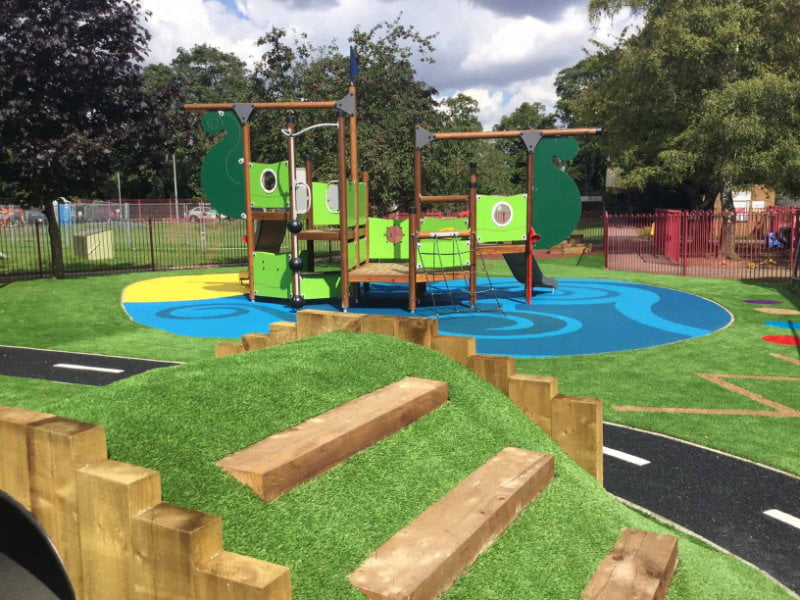
How Much Does a School Playground Cost?
The honest answer is 'it depends', on area, surface and equipment. Here are the real cost drivers and rough budget ranges to plan from.
Read article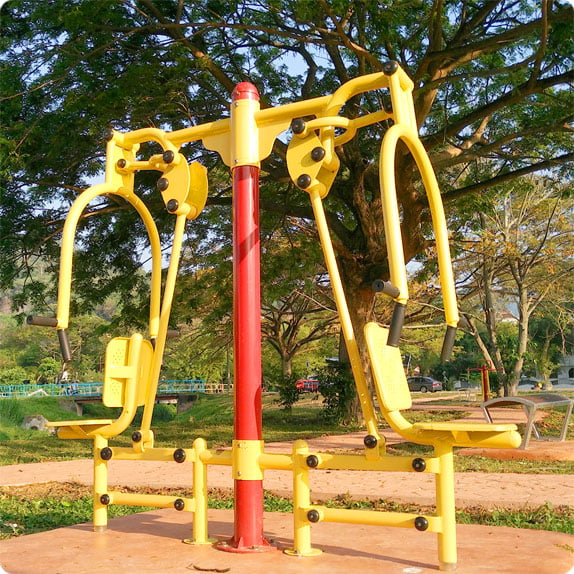
Using the PE and Sport Premium to Improve Your Playground
How primary schools can use the PE and Sport Premium to boost daily activity outdoors, what is eligible, the capital limits, and the evidence to keep.
Read article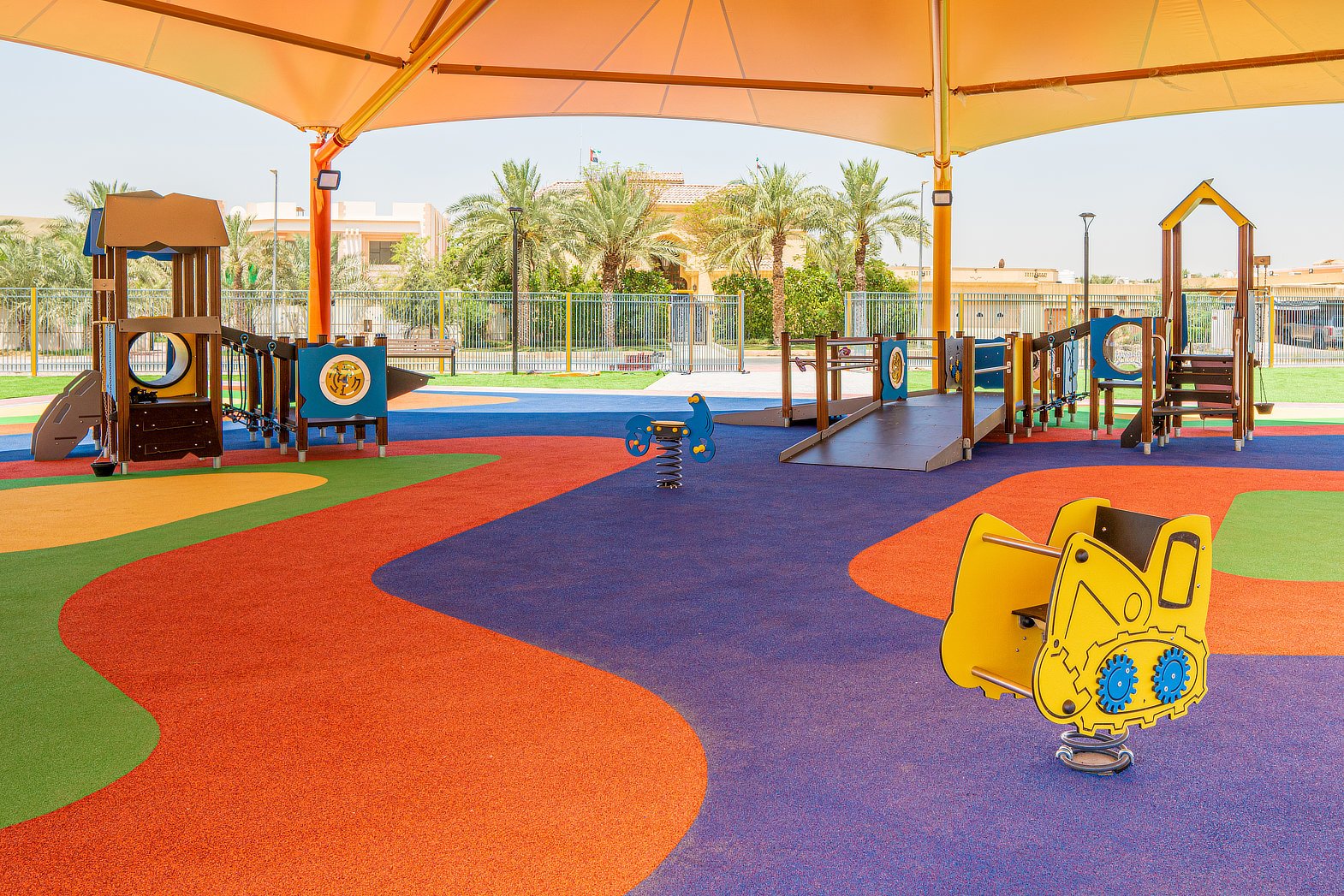
Playground Design Ideas for Schools
Great playground design starts with zoning your space for active, quiet and imaginative play. Here are practical design ideas for schools, by area and age.
Read article