Why Learning Through Play Matters for Children
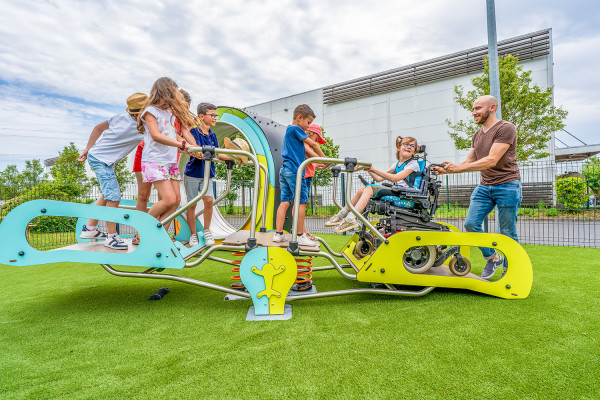
Learning through play matters because play is how children make sense of the world, and it develops cognitive, physical, social and emotional skills at the same time rather than one at a time. When a child builds a den, negotiates a game or balances along a beam, they are practising problem-solving, language, motor control and self-regulation in a single activity. Decades of early years research, and the structure of the English curriculum itself, treat play not as a break from learning but as one of its most effective vehicles.
What are the main benefits of play for children?
Play supports four broad, overlapping domains of child development, and a well-designed activity usually touches all four at once.
- Cognitive: planning, sequencing, counting, cause and effect, memory and early problem-solving. Sorting, stacking and rule-based games build the thinking skills that underpin literacy and numeracy.
- Physical: gross motor strength and coordination through climbing, running and balancing, and fine motor control through gripping, threading and mark-making. Active play also supports healthy weight, bone density and sleep.
- Social: sharing, turn-taking, cooperation, leading and following, and reading other people's intentions. Group play is where children rehearse the give-and-take of relationships.
- Emotional: confidence, resilience, managing frustration and recognising feelings. Taking a small, judged risk and succeeding builds a child's sense of what they can do.
How does play link to the EYFS and the curriculum?
In England, the Early Years Foundation Stage (EYFS) framework places play at the centre of how children from birth to five learn. It identifies three characteristics of effective teaching and learning (playing and exploring, active learning, and creating and thinking critically), all of which are expressed through play. The framework's prime and specific areas of learning, from communication and language to physical development and understanding the world, are routinely delivered through planned and child-initiated play. As children move into Key Stage 1 and beyond, active and practical learning continues to support subjects such as maths, science and PE, and structured outdoor time supports concentration back in the classroom.
How do outdoor and active play develop skills?
Outdoor, active play develops gross motor strength, spatial awareness, balance and stamina in ways an indoor classroom cannot. Space to run, climb and swing lets children test their bodies and learn to judge height, speed and distance, a form of managed risk that builds both physical competence and confidence. Fresh air and daylight also support mood, focus and healthy sleep patterns. Purpose-built play equipment such as climbing frames, trim trails and balance features gives children graded physical challenges suited to their age, while natural and sensory features encourage exploration. For children who need a calmer, regulated experience, dedicated sensory play areas provide tactile, visual and auditory stimulation that supports attention and self-soothing.
How does imaginative play develop different skills?
Imaginative, or pretend, play develops language, empathy, abstract thinking and emotional understanding. When children invent roles, act out a shop or a rescue, or narrate a story, they expand vocabulary, practise negotiation and rehearse real-life situations in a safe setting. Role play helps children see a situation from someone else's point of view, an early foundation for empathy and cooperation. Dedicated themed play spaces (a pirate ship, a train, a mud kitchen or a small stage) give this kind of play a rich prompt, sparking stories that children return to and build on over weeks.
How can schools build play into the day?
Schools embed play by planning for it deliberately across indoor and outdoor environments, not just at break time. Practical approaches include:
- Creating clear zones (active, quiet, imaginative and natural) so children can choose the play they need.
- Offering open-ended resources such as blocks, loose parts, sand and water that can be used in many ways.
- Balancing adult-led activities with child-initiated play, and observing children to plan next steps.
- Using the outdoors in all weathers with suitable clothing, so learning is not confined to dry days.
- Making play inclusive so that every child, whatever their needs, can take part alongside their peers.
Good play provision starts with the right environment. If you are planning a new play space or refreshing an existing one, our team offers a free, no-obligation site visit, design and quote to help you create an area that develops every child. Get in touch to arrange a visit.
Related questions
Is learning through play only for the early years?
No. Play is central to the Early Years Foundation Stage, but active and practical learning continues to support children throughout primary school and beyond, aiding concentration, physical development and social skills across the curriculum.
What is the difference between free play and structured play?
Free play is child-led, with children choosing what and how they play, which builds independence and creativity. Structured play is guided by an adult towards a learning goal. A good setting balances both, as each develops different skills.
Why is outdoor play so important?
Outdoor play gives children space to run, climb and balance, developing gross motor strength, coordination and the ability to judge managed risk. Daylight and fresh air also support mood, focus and healthy sleep, which benefits learning indoors too.
More from the blog
Playground Design Ideas for Schools
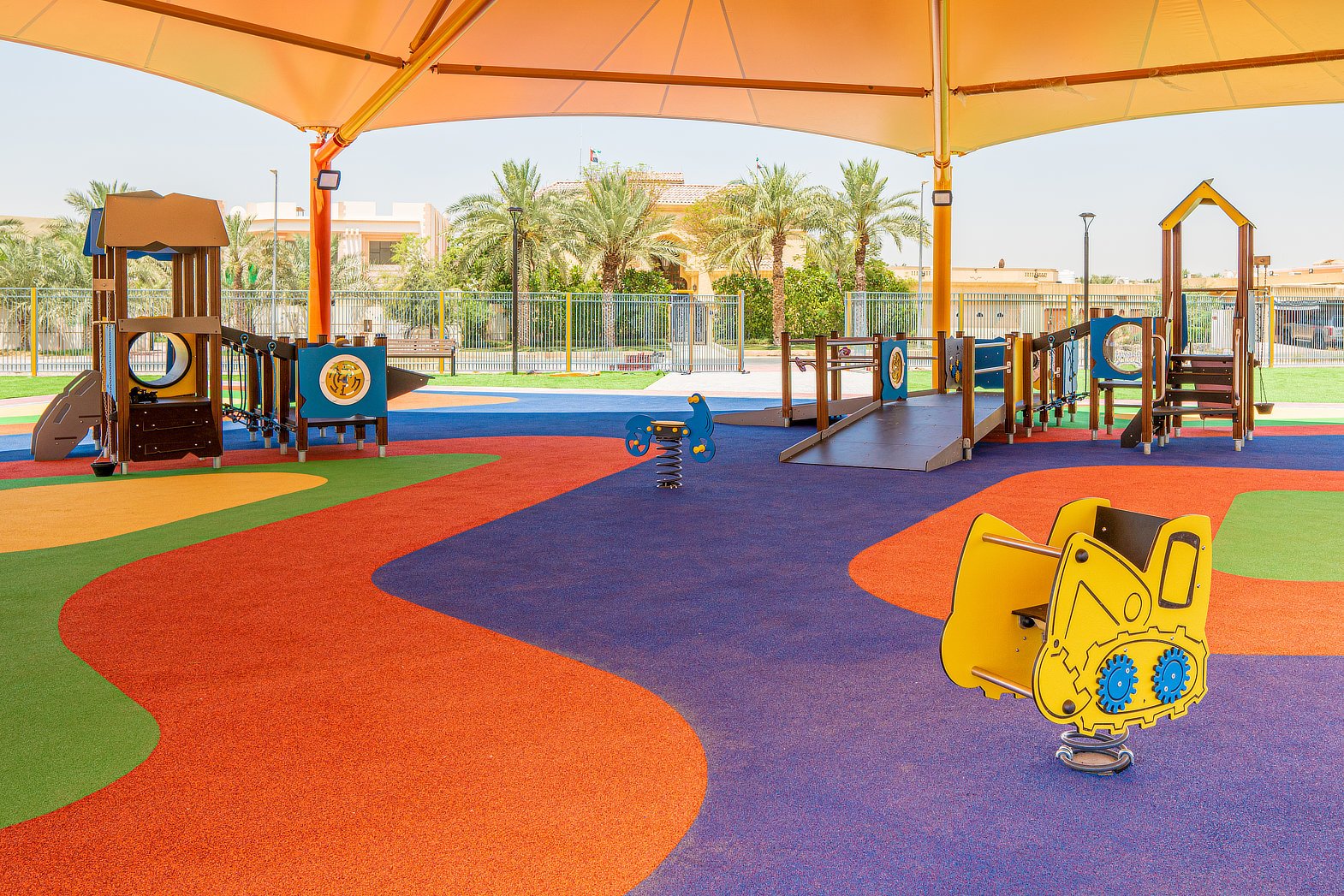
Great playground design starts with zoning your space for active, quiet and imaginative play. Here are practical design ideas for schools, by area and age.
Read article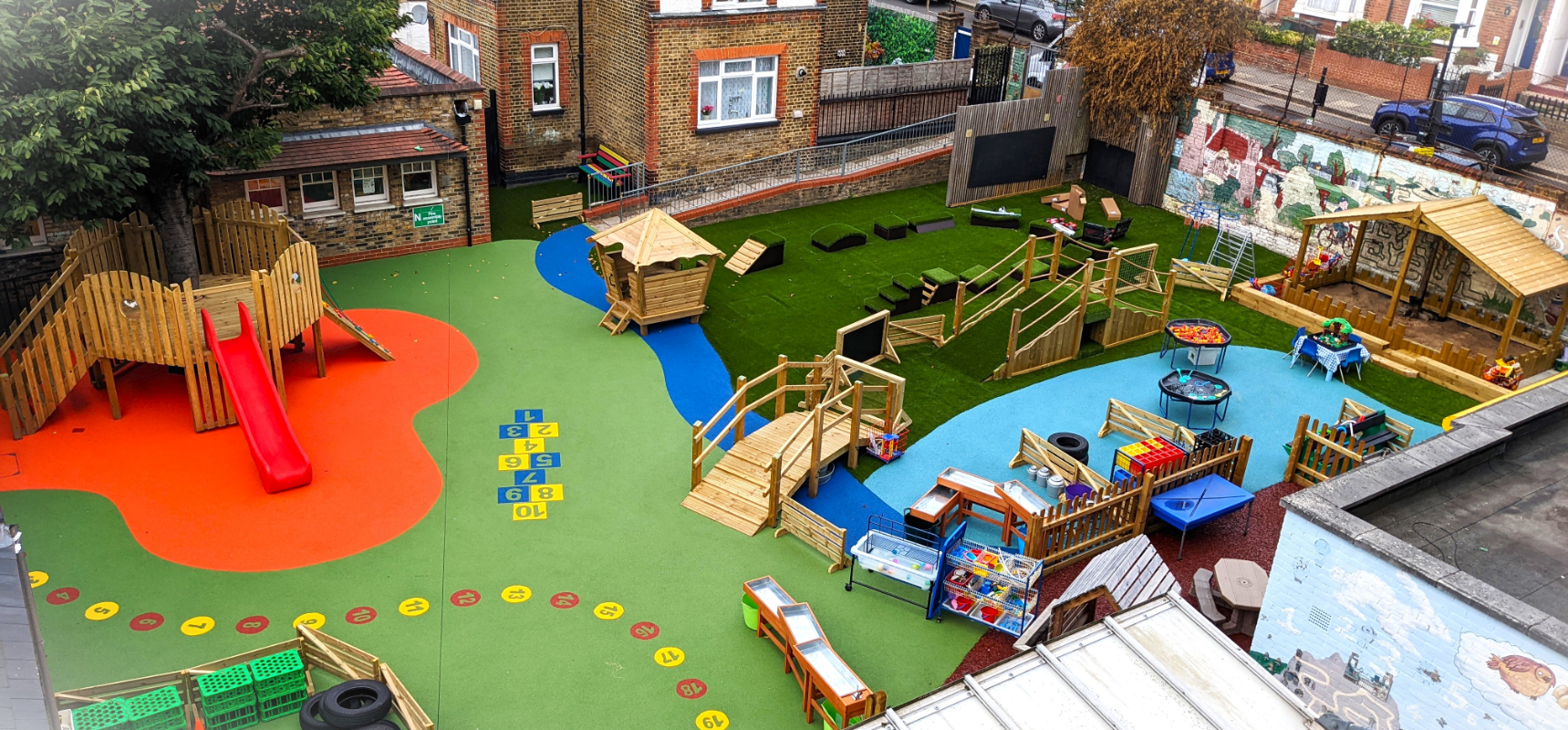
What is a MUGA Pitch? Multi-Use Games Areas Explained
A MUGA is a multi-use games area that lets one space host football, netball, basketball and more. Here is what a MUGA is, and how to plan one for your school.
Read article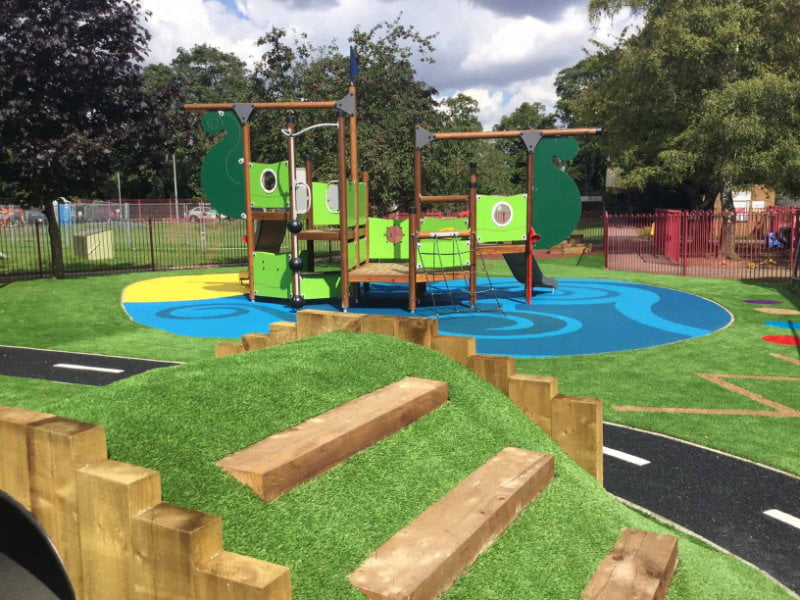
How Much Does a School Playground Cost?
The honest answer is 'it depends', on area, surface and equipment. Here are the real cost drivers and rough budget ranges to plan from.
Read article